
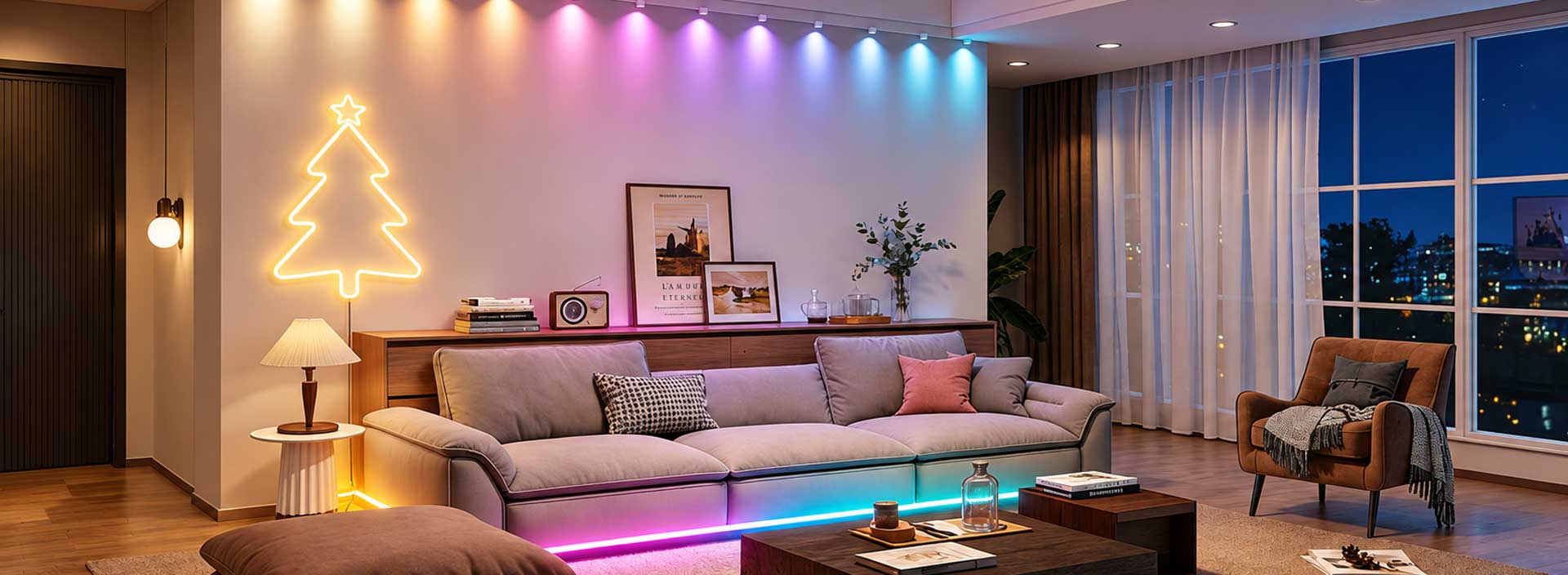
Modern lighting environments often include multiple lamps, smart switches, sensors and connected devices that need to work together. A multi device lighting control system is designed to connect different lighting products through one smart network, allowing users to manage brightness, colors, schedules and automation settings more efficiently. This approach improves convenience while creating a more flexible lighting experience for residential and commercial spaces.
Unlike traditional lighting systems that operate independently, a connected lighting solution allows multiple devices to communicate through wireless technologies and intelligent platforms. With proper configuration, users can create coordinated lighting scenes, automate daily routines and control different areas from a unified interface. This makes Smart Lighting device integration an important part of modern lighting design.
A multi device lighting control system connects several lighting products through communication protocols such as WiFi, Bluetooth, or other wireless technologies. Each lighting device becomes part of a connected environment where commands can be transferred through an application or smart controller.
The system usually includes three main components:
| Component | Function |
|---|---|
| Smart Lighting Devices | Connected bulbs, lamps, switches or controllers that receive commands |
| Control Platform | Mobile application or smart interface used for operation |
| Network Connection | Communication channel that allows devices to exchange information |
When users adjust lighting settings through an app, the system sends instructions to connected devices. Multiple lights can respond simultaneously, creating synchronized scenes for different activities such as working, relaxing, entertaining or energy saving.
For manufacturers developing smart lighting products, compatibility and stable communication are important factors. A well-designed system should support easy pairing, reliable connections and smooth operation even when multiple devices are connected at the same time.
As the number of smart home and connected lighting products increases, independent control of every device becomes inconvenient. A room may contain ceiling lights, ambient lighting, decorative lamps and functional lighting products. Managing each one separately creates unnecessary complexity.
Smart lighting device integration solves this problem by combining different lighting products into a coordinated system. Users can control multiple devices together instead of adjusting every product individually.
Key benefits include:
Centralized Operation
Multiple lighting products can be managed through one interface. Users can turn lights on or off, adjust brightness levels and create customized lighting scenes without operating each device separately.
Improved Energy Management
Connected lighting systems allow users to schedule operating times and avoid unnecessary energy consumption. Automated settings can reduce lighting usage in areas that are not frequently occupied.
Flexible Lighting Experience
Different spaces require different lighting conditions. A connected system allows users to create customized modes for bedrooms, offices, restaurants, hotels and other environments.
Easy System Expansion
A scalable IoT lighting network system allows additional lighting devices to be added when requirements change. This flexibility is especially valuable for spaces that need future upgrades.
A connected lighting environment is not limited to one type of product. Depending on the application requirements, different lighting components can work together within the same network.
Common connected devices include:
Smart bulbs for general illumination
LED strips for decorative and ambient lighting
Smart switches for traditional fixture control
Sensors for automatic lighting adjustments
Controllers for scene management
Portable lamps for flexible lighting applications
The ability to connect different devices provides greater design possibilities. For example, an indoor space can combine ceiling lighting with Decorative Lighting to create layered illumination. Outdoor areas can integrate pathway lighting and security lighting with automated schedules.
Surplife focuses on creating smart lighting solutions that support convenient device connection and practical daily operation. Reliable communication between products helps users build a more comfortable and intelligent lighting environment.
An IoT lighting network system uses connected technology to allow lighting devices to exchange information and respond intelligently. Instead of simple manual control, the system can support automation based on time, user preferences or environmental conditions.
A typical intelligent lighting network can provide:
| Feature | Practical Application |
|---|---|
| Remote Control | Manage lighting from mobile devices |
| Scene Setting | Create different brightness and color combinations |
| Scheduling | Automatically operate lights at specific times |
| Device Grouping | Control multiple lights as one unit |
| Automation | Connect lighting behavior with smart environments |
For larger spaces, network-based lighting management reduces operational complexity. Different zones can have independent settings while remaining connected through the same control platform.
This approach is useful for homes, apartments, hospitality spaces, offices and other environments where lighting requirements continue to change.
A successful smart lighting multi device setup requires careful planning before installation. Device compatibility, network stability and user operation methods should all be considered.
Important factors include:
All connected products should support the same communication standards or control platform. Compatibility ensures smoother operation and reduces connection problems.
A stable wireless network is essential when multiple devices are connected. Proper network planning helps maintain reliable communication between lighting products.
The control interface should be simple enough for daily operation. Clear functions and intuitive settings improve the overall user experience.
Lighting requirements may increase over time. Selecting a scalable system allows additional devices to be added without replacing existing products.
For lighting manufacturers, developing connected products requires attention to hardware design, software compatibility and user experience. Modern lighting solutions need to provide stable performance while remaining easy to install and operate.
Important development considerations include:
Reliable wireless communication
Efficient power management
Simple pairing processes
Compatibility with smart platforms
Consistent product performance
A well-developed multi device lighting control system helps create more intelligent spaces while supporting different application requirements. As connected technology continues to develop, integrated lighting solutions will become an important part of modern lighting environments.