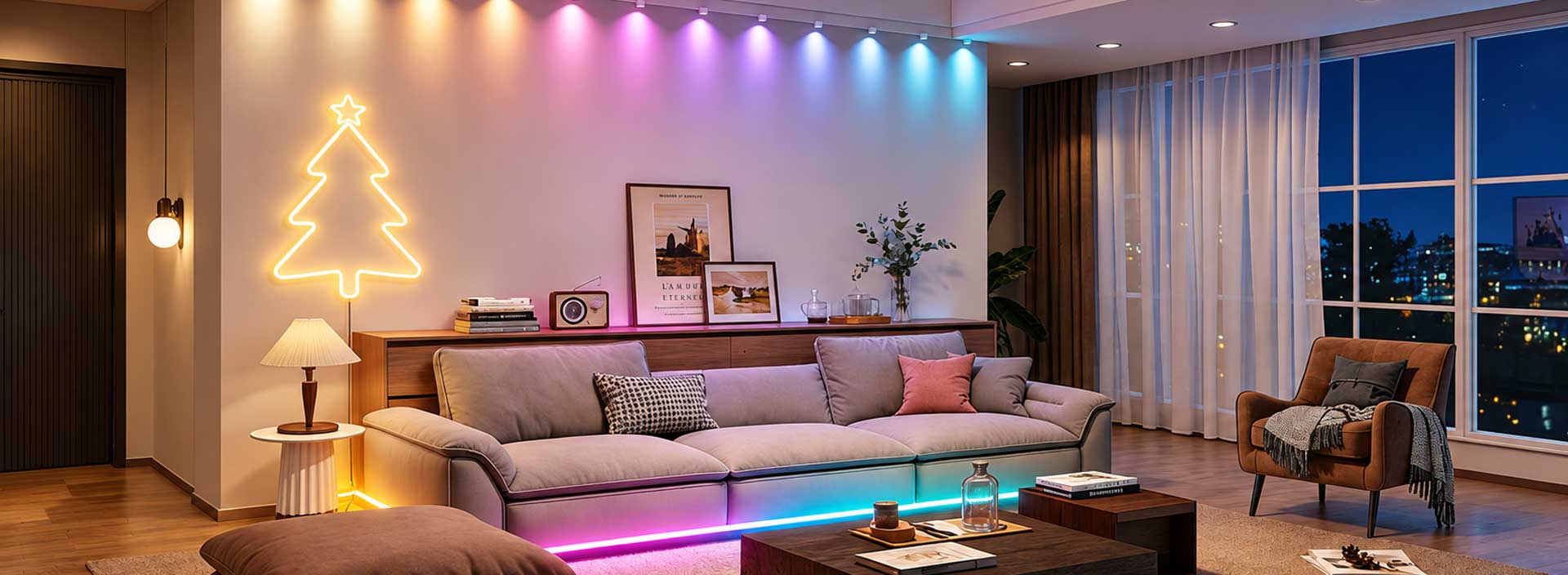
Smart Lighting is no longer a single-product category. It has evolved into a connected system that combines devices, software, communication protocols, and user interaction into one unified structure. Brands that aim to stay competitive are no longer focused only on selling fixtures, but on delivering a complete smart lighting ecosystem solution that can scale across different applications and markets.
According to industry data, the global smart home market is expected to exceed USD 500 billion by 2030, with connected lighting playing a central role in device ecosystems. This shift highlights the importance of system-level thinking when developing lighting products.
A strong ecosystem starts with a well-structured lighting control system architecture. This includes how devices communicate, how commands are processed, and how data flows between hardware, app, and cloud.
Instead of designing products independently, manufacturers need to establish a unified framework where all devices follow the same communication logic and control structure. This ensures that new products can be added without redesigning the entire system.
A scalable architecture reduces long-term development cost and allows brands to expand their product range without creating compatibility issues.
The foundation of any ecosystem is connectivity. An IoT lighting integration platform enables devices to communicate seamlessly across different environments and usage scenarios.
This platform should support multiple communication protocols such as Wi-Fi, Bluetooth, and emerging standards like Matter. The goal is to ensure that devices remain stable, responsive, and compatible with broader smart home environments.
Surplife focuses on combining connectivity, cloud services, and app control into one platform, which simplifies system management and improves overall performance consistency.
The app is the control center of the ecosystem. It connects users to devices, manages scenes, and enables automation. A fragmented or inconsistent app experience can break the entire system, even if the hardware performs well.
To build a complete smart lighting ecosystem, the app must support multi-device control, grouping, scheduling, and real-time response. It should also allow future updates and feature expansion without requiring major redesign.
A well-designed app strengthens user engagement and ensures that all products within the ecosystem feel connected rather than isolated.
One of the biggest challenges in ecosystem development is ensuring that different devices can work together smoothly. This requires standardization at both hardware and software levels.
Using consistent communication protocols and firmware structures allows devices such as ceiling lights, floor lamps, and rgb led strip controller units to operate within the same system without conflict.
Compatibility also improves product adoption, as users are more likely to expand their setup when new devices integrate seamlessly with existing ones.
A complete ecosystem must support a wide range of usage scenarios. Residential lighting, commercial environments, entertainment setups, and office spaces all have different requirements.
Instead of creating separate systems for each application, a unified approach allows one platform to adapt to multiple scenarios. This increases flexibility and reduces development complexity.
Surplife’s system design supports diverse applications, enabling brands to expand into new markets without rebuilding their technology base.
Cloud infrastructure plays a key role in modern lighting ecosystems. It enables remote control, data synchronization, firmware updates, and advanced automation.
A stable cloud system ensures that users can access their devices from anywhere while maintaining consistent performance. It also allows brands to collect usage data and improve products based on real-world behavior.
Studies show that connected devices with cloud integration achieve higher user retention rates compared to those limited to local control.
An ecosystem must be able to grow over time. As new technologies emerge and user expectations change, the system should support updates without disrupting existing devices.
Scalability includes adding new product categories, expanding control features, and integrating with external platforms. A flexible system design ensures that these changes can be implemented smoothly.
Manufacturers that plan for scalability from the start avoid costly redesigns and maintain long-term competitiveness.
A successful ecosystem depends on the coordination between hardware and software. Devices must respond quickly, maintain stable connections, and support advanced features without performance issues.
Integrated smart lighting system solution providers focus on aligning product design, firmware development, and app functionality into one cohesive system. This reduces compatibility risks and improves overall user experience.
Surplife’s approach combines these elements into a unified structure, ensuring that each component works together efficiently.
| Component | Function | Value |
|---|---|---|
| Device layer | Lighting products and controllers | Enables physical operation |
| Connectivity layer | Wireless communication protocols | Ensures stable interaction |
| App layer | User interface and control system | Enhances user experience |
| Cloud layer | Data processing and remote access | Supports scalability |
| Integration layer | System coordination and expansion | Enables ecosystem growth |
Building a smart lighting ecosystem requires more than combining devices. It involves creating a structured system where hardware, software, and connectivity work together seamlessly.
Brands that focus on architecture, integration, and scalability can build complete smart lighting ecosystem platforms that support long-term growth. By investing in unified systems rather than isolated products, manufacturers can deliver stronger performance, better user experience, and greater market adaptability.