
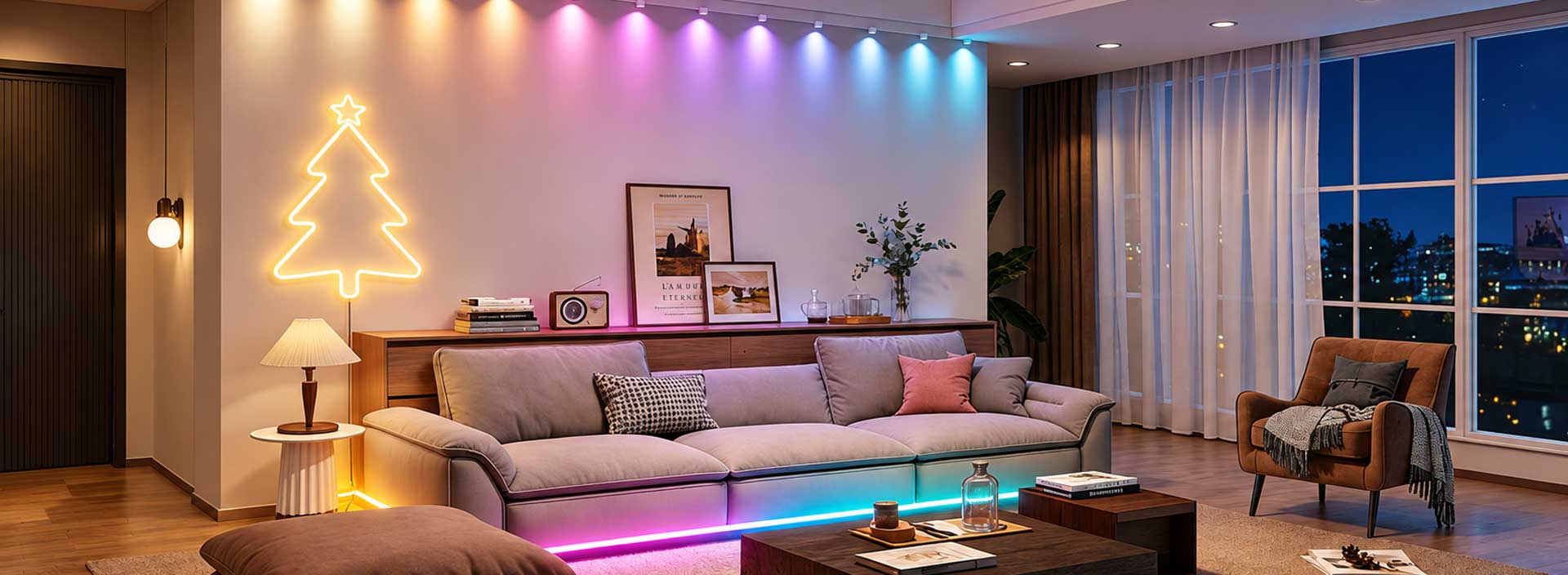
Commercial spaces require lighting solutions that provide more than basic illumination. A commercial Smart Lighting system combines connected lighting hardware, intelligent controls and automation technologies to improve lighting efficiency, flexibility and operational management. By using digital control methods, modern commercial environments can create optimized lighting conditions for different areas, schedules and user requirements.
From offices and retail spaces to hotels, restaurants and public facilities, smart lighting systems help create comfortable environments while improving energy management. A well-designed system allows different lighting zones to operate independently while remaining connected through a unified platform. This makes intelligent lighting an important part of modern commercial space planning.
A commercial smart lighting system uses connected devices and control platforms to manage lighting operations across different areas. Instead of relying on traditional switches, the system collects information from connected components and adjusts lighting according to predefined settings or real-time requirements.
The main structure usually includes:
Smart lighting fixtures
Wireless or wired communication networks
Control software or mobile applications
Sensors and automation components
Management interfaces
Each component works together to create a flexible lighting environment. For example, sensors can detect occupancy changes, while control platforms can adjust brightness levels based on time schedules or space usage.
A complete system is not only focused on turning lights on and off. It provides a more intelligent approach that combines automation, monitoring and personalized control.
Traditional lighting systems usually operate through fixed controls. Once installed, changing lighting settings often requires manual adjustments or hardware modifications.
Smart lighting introduces a more adaptive method. Through connected technology, lighting conditions can be adjusted according to changing needs without complicated system changes.
The differences can be seen in the following comparison:
| Feature | Traditional Lighting | Smart Lighting System |
|---|---|---|
| Control Method | Manual switches | Digital applications and automation |
| Lighting Adjustment | Fixed settings | Flexible brightness and scene control |
| Energy Management | Limited monitoring | Intelligent scheduling and optimization |
| System Expansion | Requires additional wiring | Easier device integration |
| Maintenance | Manual inspection | Digital monitoring options |
For commercial environments, this flexibility helps improve daily operations and creates better lighting experiences for different spaces.
Lighting plays an important role in how people experience commercial environments. Offices need comfortable working conditions, retail spaces require attractive product displays, and hospitality areas need different atmospheres throughout the day.
A professional project lighting control solution helps manage these requirements by allowing different zones to operate with customized settings.
Common application scenarios include:
Workspaces require balanced lighting for productivity and comfort. Smart controls can support different lighting modes for meetings, focused work and shared areas.
Lighting directly affects product presentation. Adjustable scenes allow different areas to highlight products and create better shopping experiences.
Hotels, restaurants and entertainment spaces often need flexible lighting environments. Automated scenes can support different periods, including daytime operation, evening atmosphere and special events.
Large facilities require efficient management across many areas. Centralized control helps simplify operation and reduce unnecessary lighting usage.
An IoT commercial lighting platform connects multiple lighting devices into one intelligent management environment. It allows operators to monitor and adjust lighting systems more efficiently compared with isolated control methods.
Important platform functions include:
Zone Management
Different areas can have separate lighting settings while remaining connected within the same system. This allows precise control for various usage scenarios.
Automatic Scheduling
Lighting operation can follow business hours, occupancy patterns or predefined schedules. This reduces manual adjustments during daily operation.
Remote Monitoring
System information can be accessed through connected platforms, helping identify operational conditions and improve maintenance efficiency.
Data-Based Optimization
Connected systems can provide useful information about lighting usage, supporting future adjustments and energy management decisions.
For larger commercial spaces, intelligent platforms create a more organized way to manage complex lighting requirements.
Selecting the right lighting solution requires consideration of both current needs and future development. A system should provide reliable performance while allowing flexible upgrades.
Key evaluation factors include:
Commercial environments often change over time. A scalable system should support additional lighting devices or expanded areas without requiring complete replacement.
Different lighting products need to work together smoothly. Compatibility between hardware, software and communication technologies ensures stable operation.
Different spaces require different lighting strategies. The system should support various control methods, including applications, automation and centralized management.
A practical solution should simplify installation and maintenance processes. Clear configuration methods help reduce operation difficulties after deployment.
Energy management has become an important consideration for modern commercial buildings. Lighting systems that operate continuously without adjustment may create unnecessary consumption.
Smart lighting improves efficiency through automated control methods:
Turning off lights in unused areas
Adjusting brightness according to actual needs
Creating scheduled lighting programs
Managing different zones independently
Optimizing lighting performance over time
These functions help create more efficient operating environments while maintaining appropriate illumination levels.
Surplife provides smart lighting solutions designed around connected control, flexible management and practical applications. Through intelligent technology, lighting systems can better adapt to different commercial requirements.
The future of commercial lighting is moving toward deeper integration between lighting systems, automation technologies and intelligent management platforms. As connected devices become more common, commercial environments will require lighting solutions that are easier to control, expand and optimize.
A what is commercial smart lighting system discussion is no longer limited to basic lighting functions. Modern solutions focus on creating intelligent spaces where lighting can respond to operational needs, improve efficiency and support better user experiences.
With the development of IoT technologies, smart lighting for commercial projects will continue to become an essential component of modern building environments.