A programmable flexible led display is a digital screen that uses bendable LED modules and a control system to present customized images, text, animations, and videos. Unlike conventional fixed-content displays, it allows users to change visual information through compatible software, mobile applications, or external controllers. Its flexible structure also makes it possible to install screens on curved walls, cylindrical columns, decorative structures, and other non-flat surfaces.
By combining programmable content with flexible display technology, this type of screen provides greater freedom in both visual presentation and installation. Its performance depends on the LED configuration, pixel pitch, control method, software compatibility, and physical installation conditions.
A programmable flexible LED display is an electronic display system that allows users to customize and update the content shown on a bendable LED screen.
Its main components include LED chips, flexible printed circuit boards, control modules, power supplies, and content management software. The LED modules produce the visual output, while the controller receives instructions and determines how images and animations appear on the screen.
Users can program different types of content, including:
Scrolling text and digital messages
Static images and promotional graphics
Full-color animations and video clips
Customized lighting effects
Scheduled content and display sequences
Unlike traditional printed signs, programmable displays allow content to be changed without replacing the physical display surface. Their flexible construction also supports curved and customized screen shapes.
Different programmable displays use different LED configurations and control technologies.
Single-color displays use one primary LED color to present text, symbols, and simple messages. They are commonly used for basic information signs and decorative installations where complex images are unnecessary.
RGB displays combine red, green, and blue LEDs to produce different colors. They support customized text, color transitions, animations, and other visual effects.
Full-color displays reproduce more detailed images, graphics, and videos. They are suitable for advertising, exhibitions, entertainment spaces, and architectural decoration.
Some programmable LED systems allow individual pixels or selected LED groups to be controlled independently. This provides greater flexibility when creating animations, scrolling effects, and customized visual patterns.
The available programming functions depend on the controller, software, and LED configuration.
Customizable Content: Users can change displayed messages, images, colors, and animations according to different occasions or requirements.
Flexible Installation: Bendable circuit boards allow the display to follow selected curved surfaces and irregular structures.
Dynamic Visual Effects: Compatible controllers support scrolling text, color transitions, moving graphics, and synchronized animations.
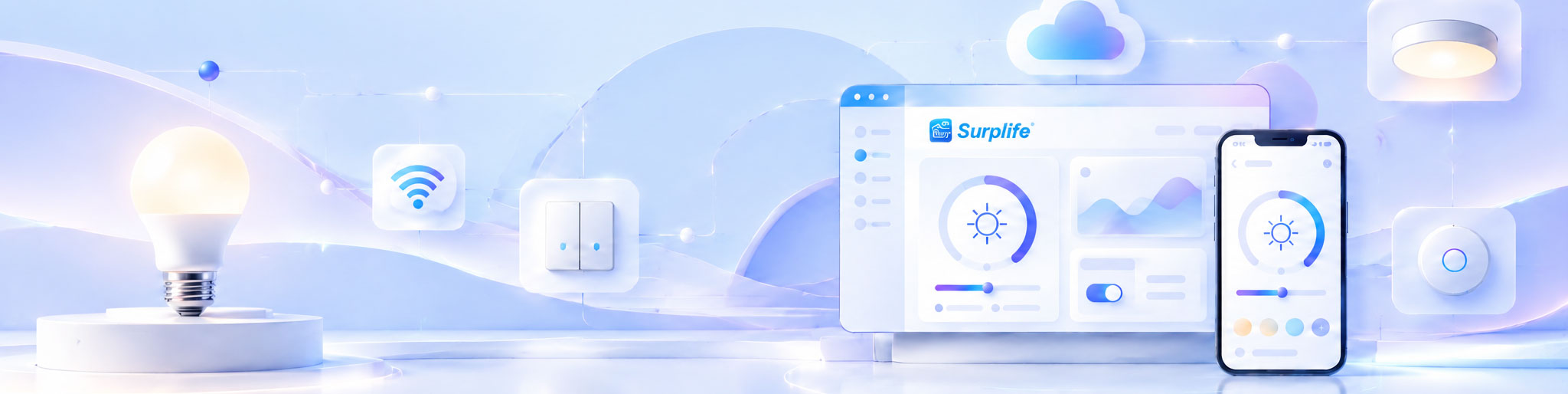
Remote Content Management: Some systems allow content to be updated through mobile applications or network connections.
Scheduled Playback: Supported software can arrange different messages or videos to appear at predetermined times.
Modular Construction: Multiple flexible LED modules can be connected to create larger displays with customized dimensions.
However, programmable functions do not automatically mean unlimited control. The controller's memory, supported file formats, communication method, and software capabilities determine which functions are available.
Both display types can present digital content, but their structures and control flexibility may differ.
| Comparison | Programmable Flexible LED Display | Traditional LED Display |
|---|---|---|
| Structure | Flexible modules | Usually rigid modules |
| Display Shape | Curved and customized | Mainly flat |
| Content Control | Software-based programming | Depends on controller |
| Visual Effects | Supports customized dynamic effects | Varies by model |
| Installation | Adaptable to selected curved surfaces | Requires flat mounting |
| Content Updates | Can be changed electronically | Can also be programmable |
It is important to understand that traditional LED displays can also support advanced programming. The main distinction is the flexible physical construction, rather than programming capability alone.
Selecting a suitable display requires considering both the intended content and the installation environment.
Pixel pitch is the distance between the centers of adjacent LED pixels, measured in millimeters.
A smaller pixel pitch generally provides higher image detail and is more suitable for close viewing. Larger pixel pitches may be sufficient for displays viewed from greater distances.
The minimum bending radius determines how tightly the display can curve without damaging its internal structure.
Check the required installation shape against the manufacturer's specifications. A display designed for gentle curves may not be suitable for a tightly curved column.
Resolution affects image clarity, particularly when displaying detailed graphics and small text. Brightness, measured in nits, determines how clearly the screen can be viewed under different lighting conditions.
Indoor displays generally have different brightness requirements from screens exposed to direct sunlight.
Confirm whether the display supports the required content formats, animation effects, text editing, scheduling, and remote control.
Also check whether content can be stored locally or requires a continuous network connection.
Input voltage, power consumption, controller specifications, and connection interfaces should match the installation requirements.
Retail environments use programmable displays to present promotional messages, product images, and seasonal advertisements. Curved screens can be installed around columns or decorative structures to attract attention.
Flexible LED displays can form customized backgrounds, product presentation areas, and animated visual installations. Programmable content makes it easier to change the presentation according to different events.
Hotels can use curved digital displays in reception areas, entertainment spaces, and decorative walls. Restaurants may display menus, announcements, and promotional videos.
Programmable displays support synchronized animations, moving graphics, and video backgrounds. Their flexible structure allows creative stage designs that follow curved or irregular shapes.
Curved walls, cylindrical pillars, and selected interior structures can become digital display surfaces, combining architectural decoration with programmable visual content.
The programming process depends on the controller and software supplied with the display.
Connect the Display: Connect the LED modules to the compatible controller and power supply according to the installation instructions.
Install the Control Software: Open the supported computer program or mobile application and connect to the display using the available communication method.
Create the Content: Add text, images, animations, or videos. Adjust their dimensions and positions to match the screen resolution.
Set Display Parameters: Configure brightness, color effects, playback speed, and other available settings.
Upload the Program: Transfer the content to the controller or connected display system.
Test Playback: Check whether the content appears correctly and whether animations, timing, and transitions operate as expected.
The exact steps may vary between Wi-Fi, Bluetooth, USB, and other control configurations.
This may result from incorrect pairing, communication interruptions, or controller configuration problems. Check the connection method and restart the control application if necessary.
Incorrect resolution, image dimensions, or display mapping can cause graphics to appear stretched or misplaced. Confirm that the content matches the actual pixel configuration.
Unsupported file formats, insufficient controller memory, or unstable communication may affect playback. Check the software requirements and supported content specifications.
LED component differences, incorrect calibration, and aging may cause inconsistent visual output. Display calibration may help improve uniformity.
Unstable power supplies, loose connections, or signal transmission problems can cause flickering. Inspect the electrical connections and controller settings.
Regular maintenance helps preserve display quality and prevent avoidable failures.
Clean the display surface with suitable materials and avoid excessive moisture or strong cleaning chemicals. Check power connectors, signal cables, and mounting structures periodically.
Avoid bending or folding the display beyond its specified radius, even when adjusting its installation position. Excessive mechanical pressure may damage the flexible circuit board.
Software and firmware should also be maintained according to the manufacturer's instructions. Before installing updates, verify compatibility with the existing controller and application.
For displays used over extended periods, monitor operating temperatures and ensure adequate ventilation.
Yes. Compatible full-color displays can show videos, images, text, and animations through supported controllers and software.
Some models support remote updates through Wi-Fi, Bluetooth, or cloud-connected applications. The available functions depend on the communication architecture.
Yes. Systems with scheduling functions can arrange different content to play at specific times or in predefined sequences.
Yes. They can follow suitable curved surfaces, provided the installation respects the specified bending radius.
Not always. Some controllers support local programming through USB or Bluetooth, while others require network access for remote management and cloud-based functions.
Programmable flexible LED displays combine customizable digital content with adaptable installation possibilities. They are particularly useful for environments where visual information needs to change regularly and conventional flat screens cannot meet the desired design.
Before selecting one, consider its pixel pitch, bending radius, brightness, resolution, programming functions, and communication options. Proper installation and maintenance are equally important for reliable operation.
When the display structure and control functions match the intended application, programmable flexible LED technology provides a practical way to create dynamic visual presentations across both conventional and curved display surfaces.
Previous: Flexible Led Display Price
Next: Flexible Led Wall