
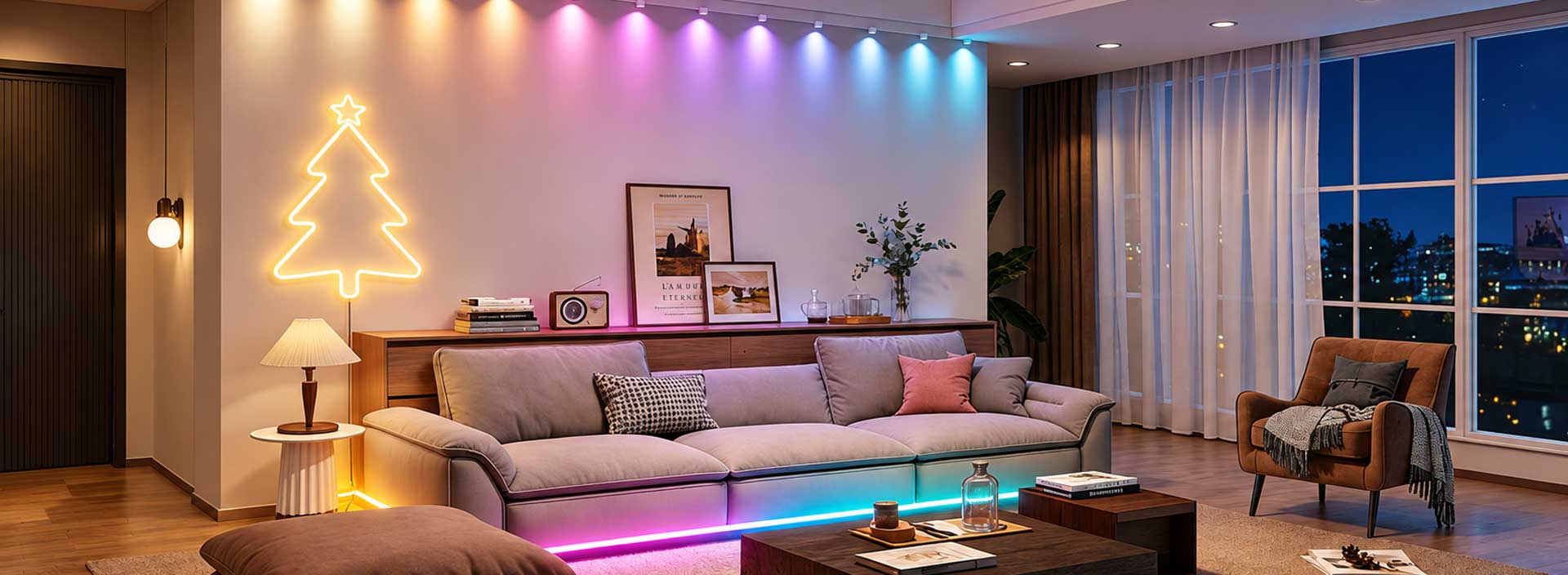
A successful lighting project requires more than selecting suitable fixtures. The control strategy determines how lighting operates, responds to user needs and adapts to future changes. A well-planned lighting control system design combines hardware selection, network structure, automation functions and user experience to create an efficient lighting environment.
Modern projects often include multiple lighting areas, different usage scenarios and changing operational requirements. Whether for residential developments, commercial spaces or hospitality environments, a thoughtful control system helps achieve better energy management, easier operation and more flexible lighting performance.
Every lighting project has different requirements. Before creating a control solution, it is important to analyze the space, usage patterns and expected functions.
A professional design process usually starts with:
The first step is understanding how each area will be used. Offices, hotels, retail stores and residential spaces have different lighting expectations. Each zone may require independent brightness levels, schedules or automation settings.
The control method should match how people interact with the space. Some areas may require simple switch control, while others may benefit from mobile applications, sensors or automated scenes.
A lighting system should not only meet current requirements but also allow future upgrades. A flexible structure makes it easier to add new devices or modify functions later.
Lighting performance can be affected by installation location, natural light conditions and operating hours. These factors influence the selection of sensors, control methods and automation strategies.
Effective project lighting system planning connects lighting design with practical operation. Instead of treating each fixture as an independent product, the system considers how different components work together.
A complete planning process may include:
Lighting Zone Definition
Different areas should be divided according to their functions. For example, working areas, public spaces and decorative zones may require different control methods.
Control Method Selection
The appropriate control method depends on project requirements. Options may include wall controllers, mobile applications, sensors or centralized platforms.
Network Structure Design
Connected lighting products need a stable communication system. The network design should support reliable data transmission between devices.
Automation Function Setup
Automated schedules, scene settings and intelligent adjustments can improve convenience and efficiency.
This approach helps avoid problems caused by incomplete planning, such as difficult operation, limited scalability or unnecessary energy consumption.
A modern control system combines several elements that work together to manage lighting performance.
| Component | Main Function |
|---|---|
| Smart Fixtures | Provide adjustable lighting performance |
| Controllers | Send and manage lighting commands |
| Sensors | Detect environmental or occupancy changes |
| Mobile Applications | Allow remote operation and setting adjustments |
| Communication Network | Connect different devices together |
The combination of these components creates an integrated lighting environment. Each part needs to be selected based on the application requirements rather than considered separately.
For example, a large commercial space may require multiple lighting zones and automated controls, while a smaller environment may focus more on convenient daily operation.
An IoT lighting solution design uses connected technology to improve lighting management. By connecting lighting devices through intelligent networks, the system can provide more flexible control options compared with traditional methods.
Common IoT-based functions include:
Remote lighting management
Automatic scheduling
Scene customization
Device grouping
Real-time system adjustment
These functions allow lighting systems to respond to actual usage conditions. For example, lighting in unused areas can be reduced automatically, while frequently used spaces can maintain suitable brightness levels.
For larger projects, connected lighting solutions also simplify management by allowing different areas to operate through one integrated platform.
A custom lighting system design solution should be developed according to the specific requirements of each project. Standard configurations may not always provide the best results because different environments have different layouts, operating methods and user expectations.
The design process usually includes:
The project conditions, lighting goals and control expectations are reviewed before system development.
The connection between fixtures, controllers and software platforms is designed to ensure stable operation.
Automation scenes, scheduling settings and control permissions are adjusted according to practical usage.
Before final operation, the system should be tested to confirm communication stability and user experience.
This customized approach helps create lighting systems that are easier to operate and maintain over the long term.
A carefully designed control system provides benefits beyond basic lighting operation. It helps create a more efficient and adaptable environment.
Key improvements include:
Better Energy Management
Automated control reduces unnecessary lighting operation and helps optimize energy usage.
Simplified Operation
Users can manage different lighting areas through organized control methods.
Improved User Experience
Customized scenes and automatic functions create more comfortable environments.
Greater Flexibility
A scalable system can support future changes without major reconstruction.
Surplife develops smart lighting solutions that focus on practical control, reliable connectivity and flexible application requirements. The design process considers both current operation and future development needs.
Lighting control technology is moving toward higher levels of automation, integration and intelligence. Future systems will increasingly connect lighting with other smart building technologies to create more responsive environments.
The development direction includes:
More intelligent automation
Easier device integration
Improved energy monitoring
More flexible user interfaces
Stronger IoT connectivity
A well-designed lighting control system design provides the foundation for modern lighting applications. By combining proper planning, connected technology and practical operation methods, lighting systems can become more efficient, adaptable and suitable for changing project requirements.